
Colonoscopy is recommended when there is a reason to investigate, rather than automatically before every haemorrhoid operation. Finding haemorrhoids does not prove that they are the source of bleeding. Before treatment, we need to understand the symptoms and avoid overlooking another condition.
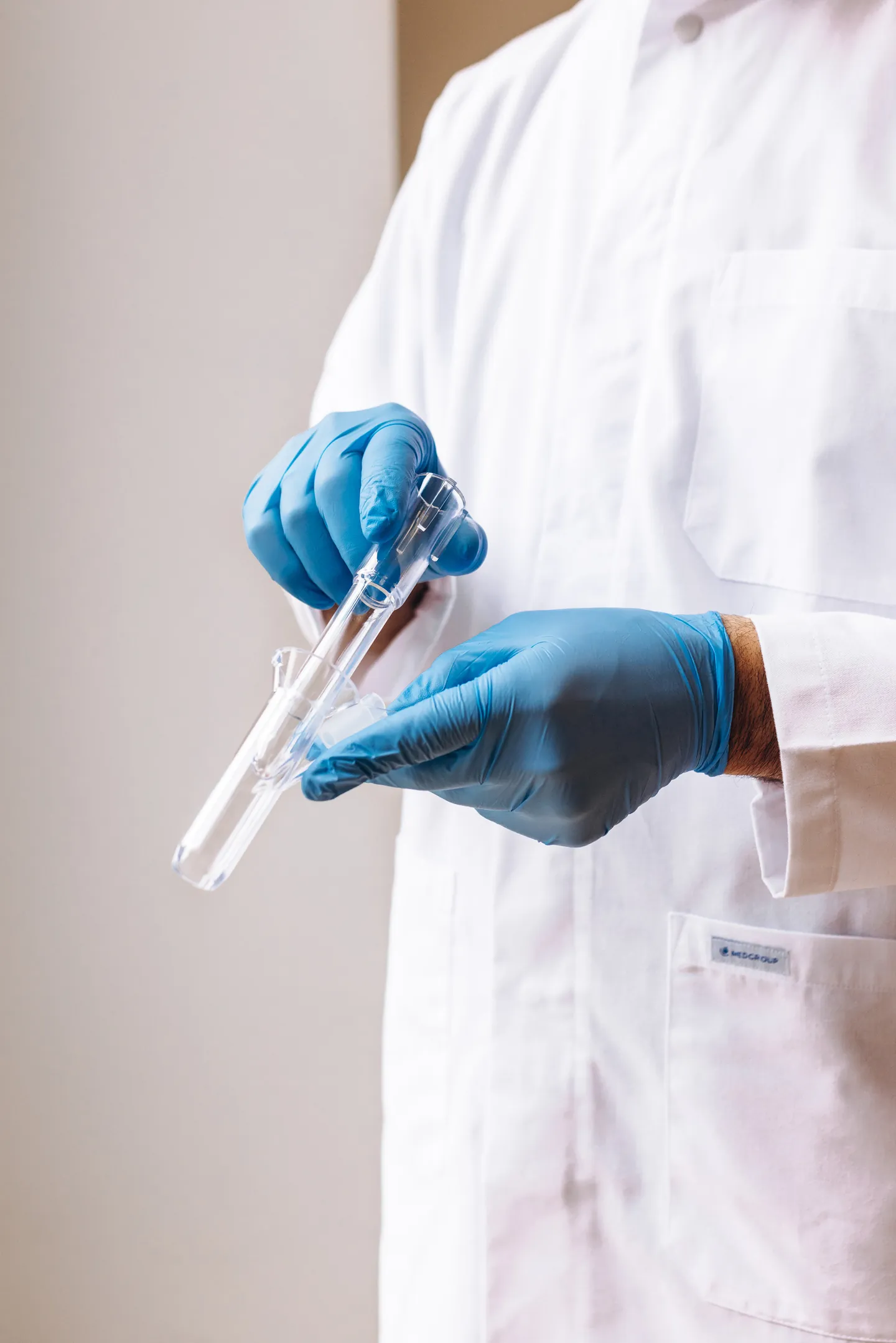
Examination, anoscopy and colonoscopy answer different questions
Содержание
Inspection and a digital rectal examination help assess the anal area. Anoscopy examines the anal canal. Colonoscopy looks much further into the large bowel, so these examinations do not always replace one another. The photograph shows an anoscope, not a colonoscope.
When further bowel investigation may be needed
We may recommend colonoscopy if there is no convincing source of bleeding on examination, bleeding continues after successful haemorrhoid treatment, or other concerning changes are present. Tell us about:
- new or worsening constipation, or a change in your usual bowel habit;
- abdominal pain or bloating;
- unexplained weight loss, anaemia or marked weakness;
- a personal or close family history of bowel polyps or colorectal cancer.
Routine colorectal cancer screening is a separate consideration. We assess whether it is due using your age, personal and family history, and previous results. Having haemorrhoids does not remove the need for appropriate screening.
If you have already had a colonoscopy
Bring the report, the assessment of bowel preparation quality and any biopsy or polyp results. Saying that everything was normal is not enough to decide whether further investigation is needed. The date, completeness of the examination and any new symptoms matter. A repeat test is not always necessary simply because surgery is planned.
Preparing for a recommended colonoscopy
Obtain instructions from the service performing the examination. Bowel cleansing, dietary instructions and medication adjustments depend on your health and the appointment time. Mention anticoagulants, antiplatelet medicines, diabetes, kidney disease and heart disease beforehand. Do not stop medicines on your own. If sedation is planned, check the requirements for an escort and the restrictions on driving.
When not to wait for a routine appointment
Heavy bleeding, fainting, severe weakness or black, tar-like stools need urgent medical assessment. Do not start bowel preparation on your own in this situation or assume that this is an ordinary haemorrhoid flare-up.
Sources
Information from the centre’s team. Individual treatment planning requires assessment.