
Feeling tissue protrude after a bowel movement can be worrying or embarrassing. We ask when it happens, whether the tissue goes back inside and what other symptoms occur. A description or photograph may not reliably distinguish haemorrhoids from other causes of prolapse.
Understanding the grade
Содержание
Grade II internal haemorrhoids prolapse with straining and return on their own. Grade III require manual reduction. Grade IV remain outside and cannot be reduced. Grade I do not prolapse. These grades describe internal haemorrhoids, not every external lump.
Bleeding, mucus, irritation, difficulty cleaning and the effect on daily life also matter. A relatively small prolapse can still cause considerable symptoms.
Why examination matters
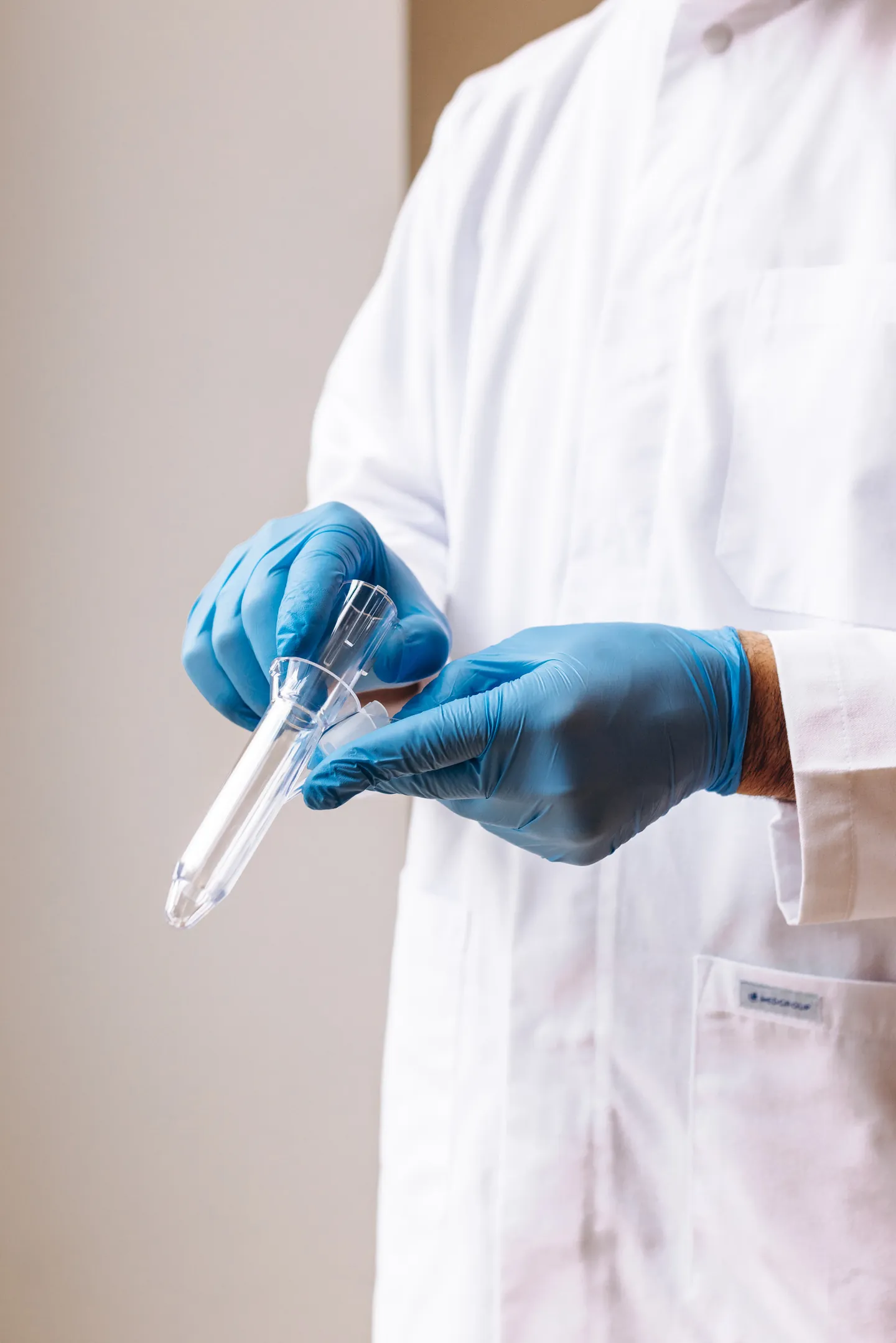
A thrombosed external haemorrhoid, skin fold or rectal prolapse can be mistaken for a prolapsed haemorrhoid. Their management differs. We examine the area and use anoscopy when appropriate. Further tests are guided by symptoms and risks.
Visible haemorrhoids do not explain every episode of bleeding. Changes in bowel habit, anaemia, unexplained weight loss and other concerning features need separate assessment. Tell us about previous procedures and their results.
Options before surgery
Improving stool consistency, taking enough fibre, avoiding forceful straining and spending less time on the toilet are part of care. These measures may ease symptoms but do not always correct established, substantial prolapse. The decision depends on symptoms and response to previous treatment.
Rubber band ligation may suit an appropriate internal component. It does not address all external disease. If repeated procedures have not helped enough, it is reasonable to review the approach rather than keep repeating the same treatment.
Choosing an operation
HAL-RAR, excisional haemorrhoidectomy and other approaches have different capabilities. Excision may suit a substantial external or combined component. For mainly internal prolapse, anatomy, likely benefit, postoperative pain and recurrence all influence the choice.
We explain whether external tissue will be removed, what will remain and how recovery is expected to proceed. The name of a device cannot replace this discussion. Costs are clarified once the extent of treatment is agreed.
When to seek urgent care
A suddenly very painful, irreducible prolapse, darkening tissue, heavy bleeding, fever or marked weakness need prompt assessment. Do not force a painful lump back inside or attempt to tie it off yourself. Acute deterioration requires urgent medical care.
For a planned consultation, note when prolapse occurs, how long it has been present and which treatments you have tried. This helps us choose a reasoned next step.
Sources
Information from the centre’s team. An individual treatment plan requires assessment.