
Length of stay depends on more than the procedure's name. We consider the extent of surgery, anaesthesia, your recovery and whether you can recover safely at home. Some patients can leave on the same day, but this cannot be guaranteed before the postoperative assessment.
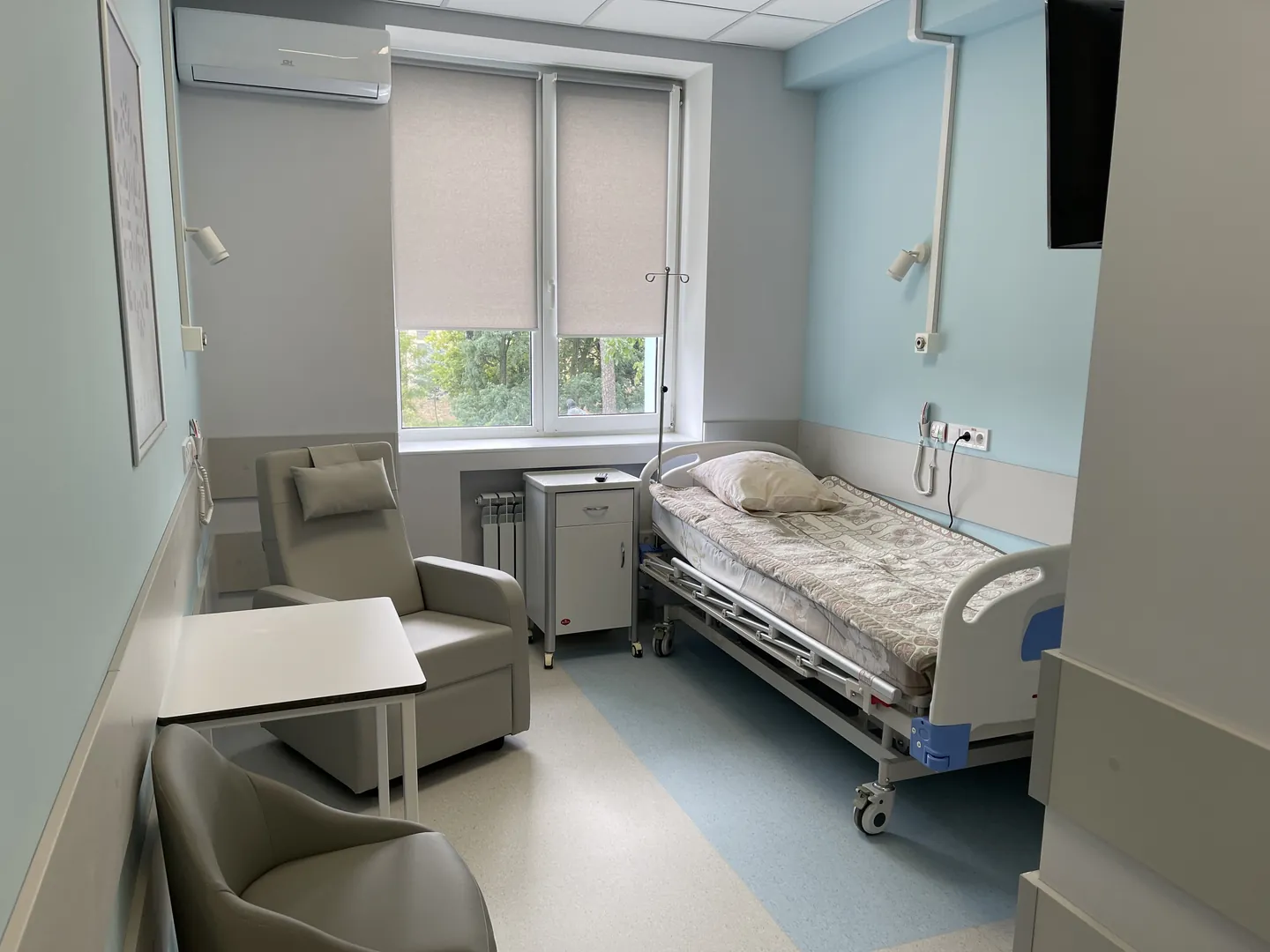
What is checked before discharge?
Содержание
The team needs to confirm that you have recovered sufficiently from the anaesthetic, your condition is stable, and prescribed treatment can control pain and nausea. Other considerations include the absence of significant bleeding and being able to get up safely and tolerate permitted drinks. Urination needs particular attention after anorectal surgery.
Not having had your first bowel movement does not always mean you must remain in hospital. Being unable to pass urine, increasing pain or bleeding does require assessment. Do not hide symptoms because a taxi has been booked or you are keen to go home.
When observation may continue
A longer stay may be needed for poorly controlled pain, repeated vomiting, urinary retention, bleeding or slower recovery from anaesthesia. Other illnesses, additional procedures and adjustments to regular medicines can also affect the decision. Continued observation does not necessarily mean that an error or a serious complication has occurred.
Why home circumstances matter
Tell the team before surgery if you live alone, have mobility difficulties, face a long journey or would struggle to obtain help quickly. After general anaesthesia or sedation, arrange an escort according to the anaesthetist's instructions. You must not drive yourself home immediately after this type of anaesthetic.
Make sure you have access to a toilet, drinking water, prescribed medicines and help if needed. Arrange care for children or other people if you usually provide it. Discuss a long journey to another city beforehand, including where the first follow-up examination will take place.
Check your plan before leaving
- Do you have a discharge summary naming the procedure performed?
- Do you know which medicines to take tonight and tomorrow?
- Have wound care, bowel management and follow-up been agreed?
- Do you know where to seek help at night or over the weekend?
After discharge, seek urgent help for heavy bleeding, fainting, inability to pass urine or worsening pain with fever. If you are seriously unwell, use the nearest emergency service rather than spending time travelling back to the centre. Bring your discharge summary and medication list.
Sources
Information from the centre’s team. Individual treatment planning requires assessment.